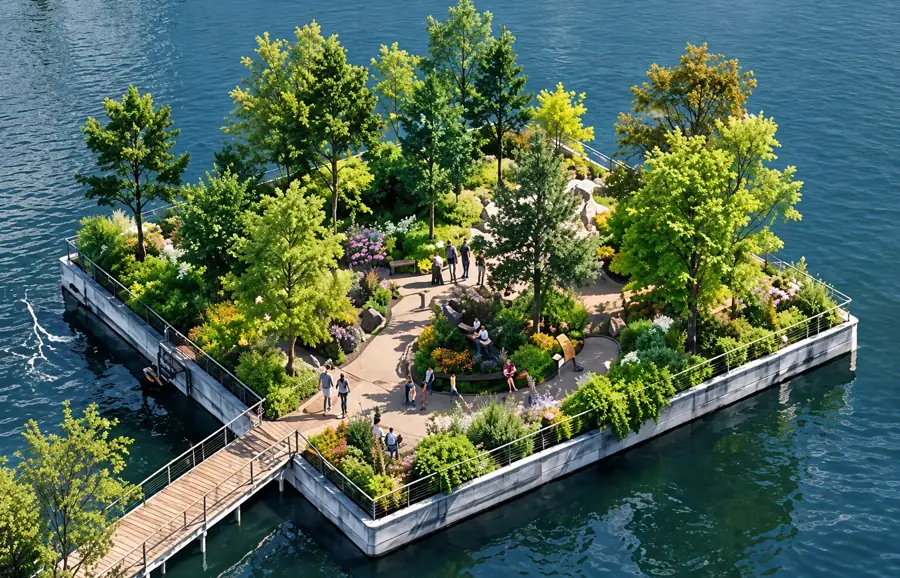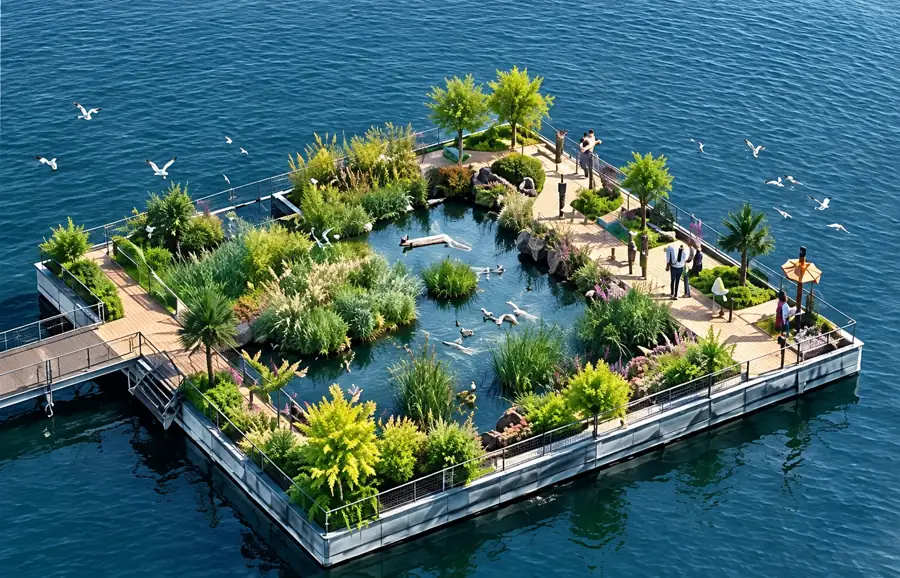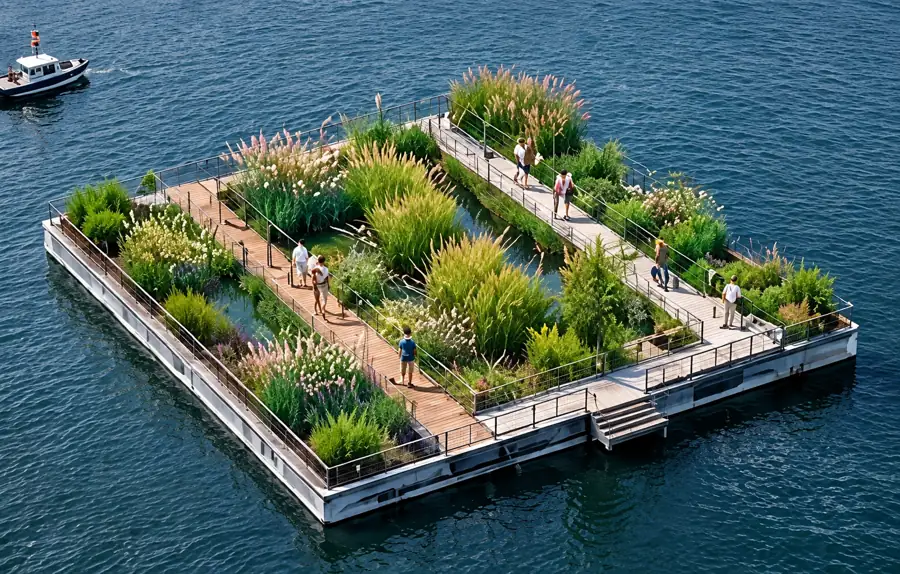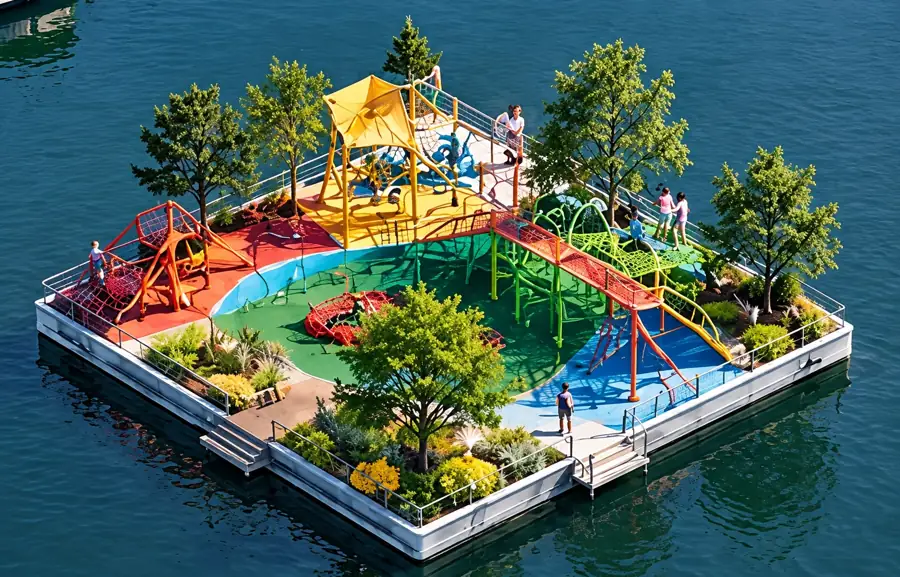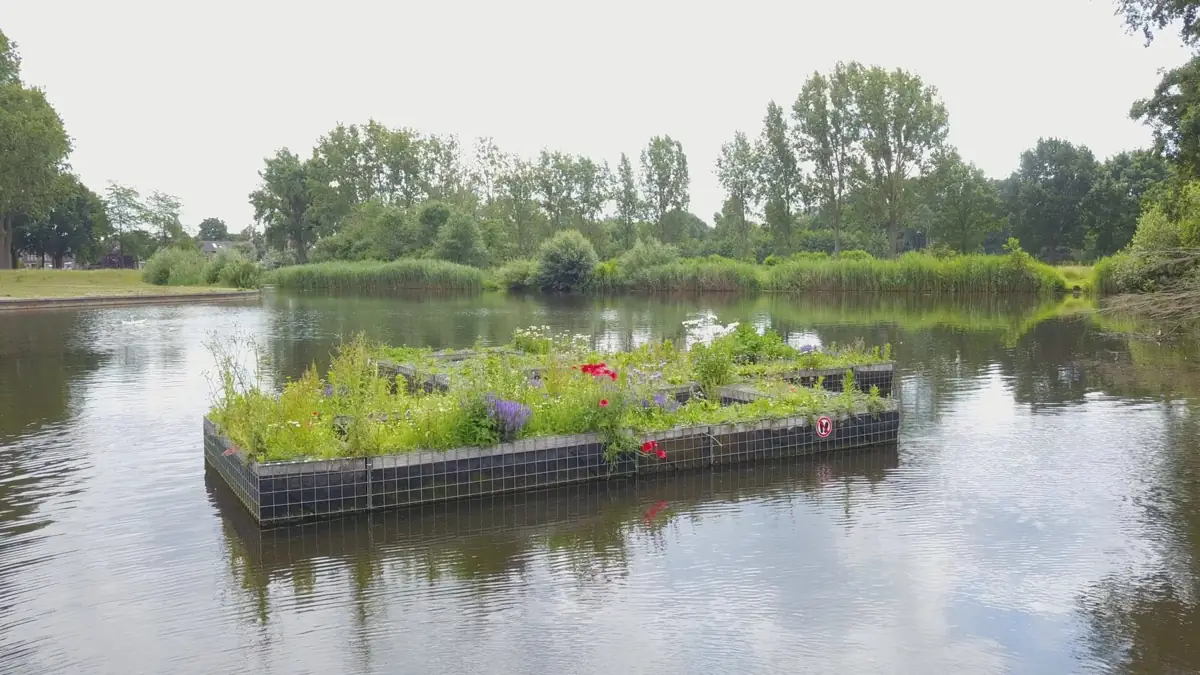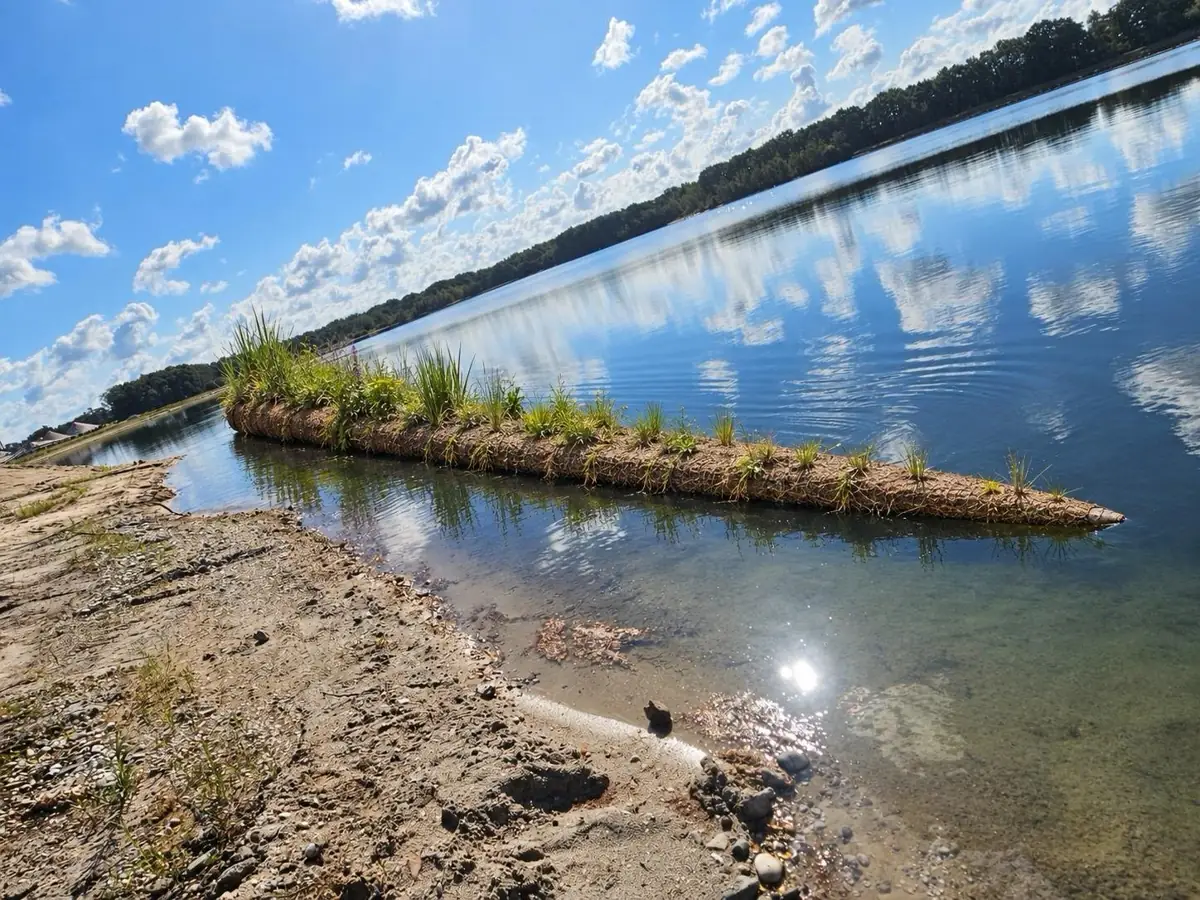
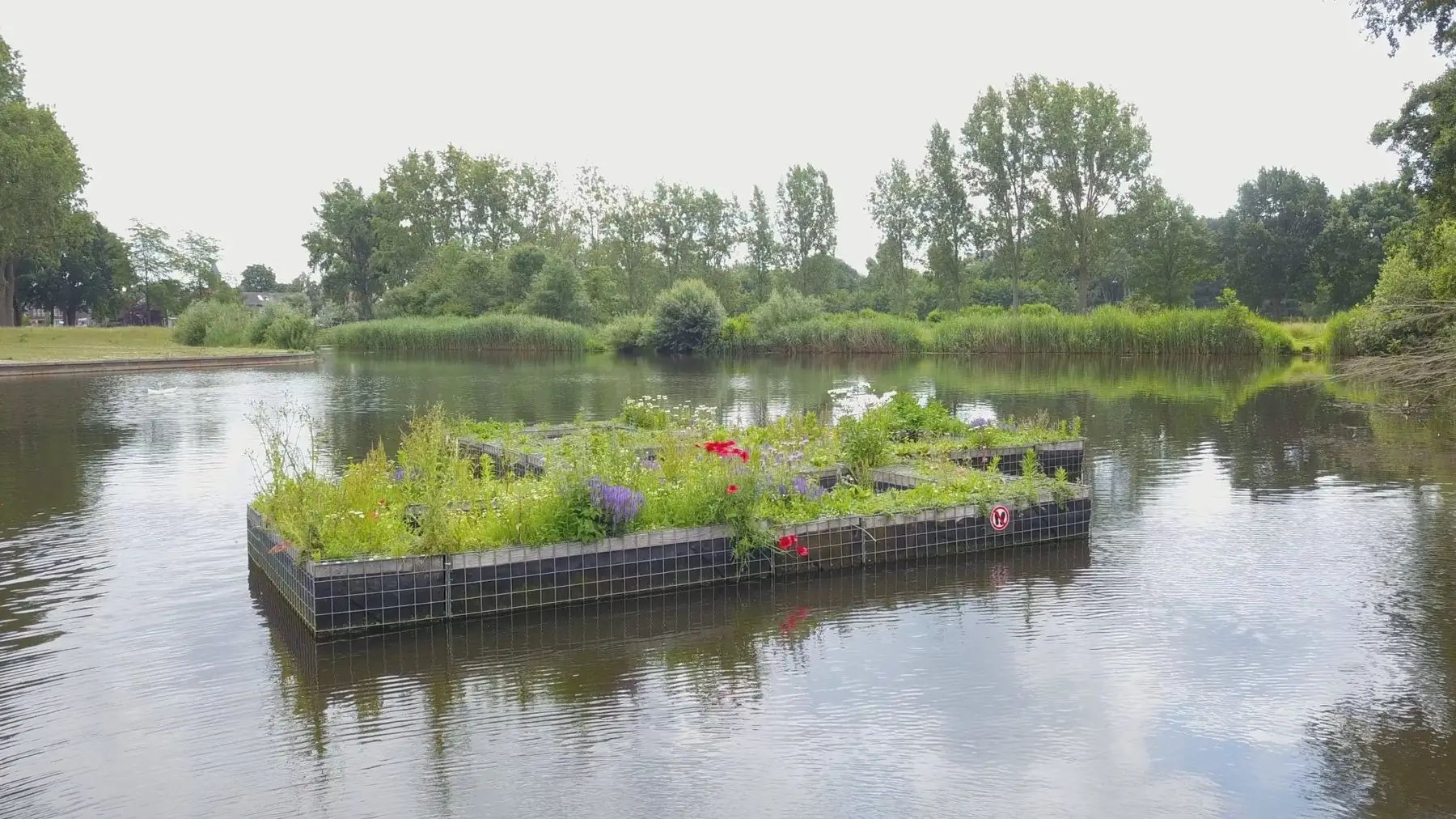
Planted floating Aqua Blocks island in Naaldwijk

Transforming waterways into space for people and nature.

Blue Habitats designs, builds and maintains floating parks, facilities and nature. Modular, relocatable and on the water since 2016.

Projects in fresh and salt water: the Netherlands, the United States and the Maldives In partnership with Waterstudio.NL Photo: Aqua Blocks in Naaldwijk, built and monitored

For cities and water authorities

Water is the space you already have.

Housing, green space, recreation and nature all compete for the same square metres. On the water, that space often already exists: in harbours, canals, lagoons and along waterfronts. Blue Habitats helps you put it to use, temporarily or permanently.

Lack of space

New housing often comes at the expense of public green and play space. A floating park adds that space back without claiming land.

Floating Pocket Parks

Biodiversity

Hard quays and bare coastlines offer little habitat. Floating habitats, soft shorelines and reefs bring back plants, fish and marine life.

Nature on water

Interim use

Area development takes years. Floating facilities bring life to a site today and move along as the area changes.

Functions on water

Circularity

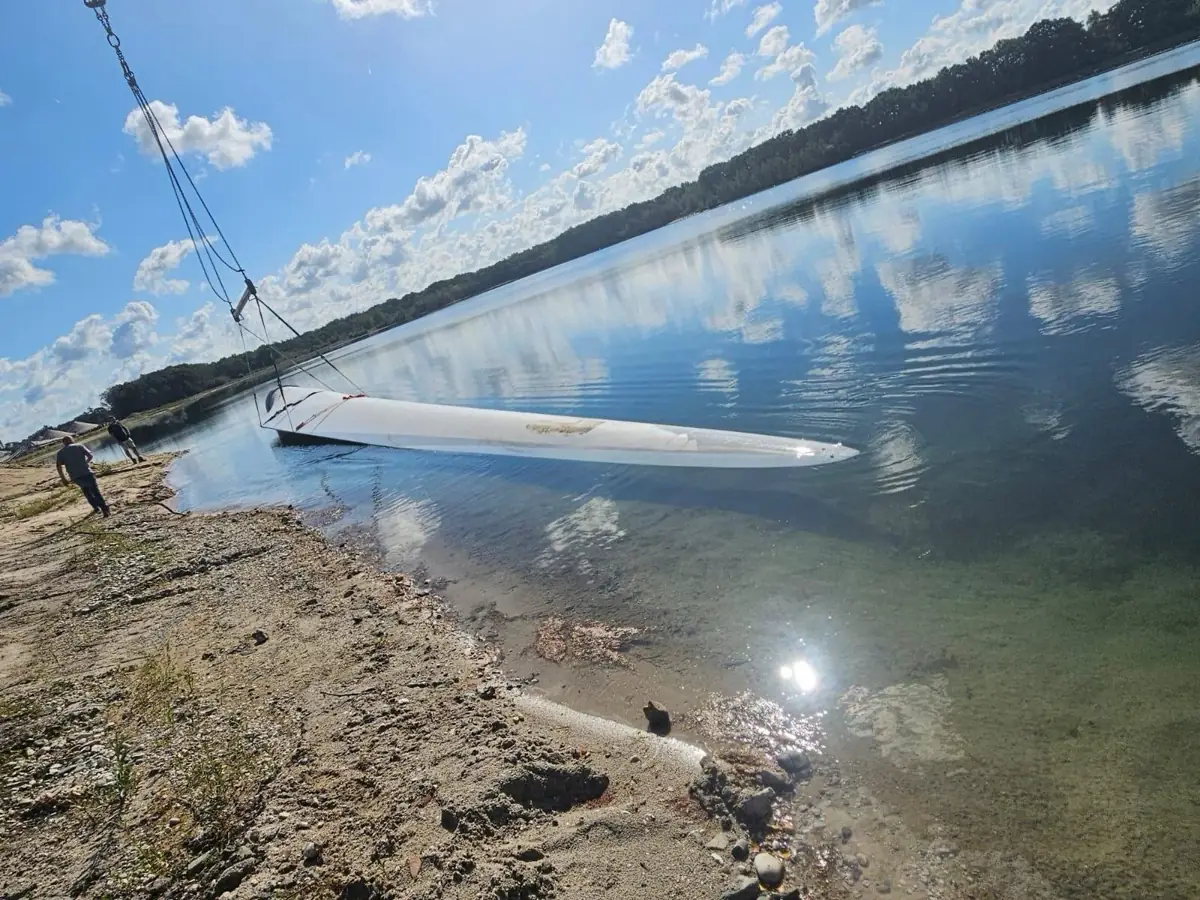
Blades from the first generation of wind farms are being decommissioned. We have already recovered 31 from the waste stream and give them a second life as floating landscapes and shorelines.

Re-use
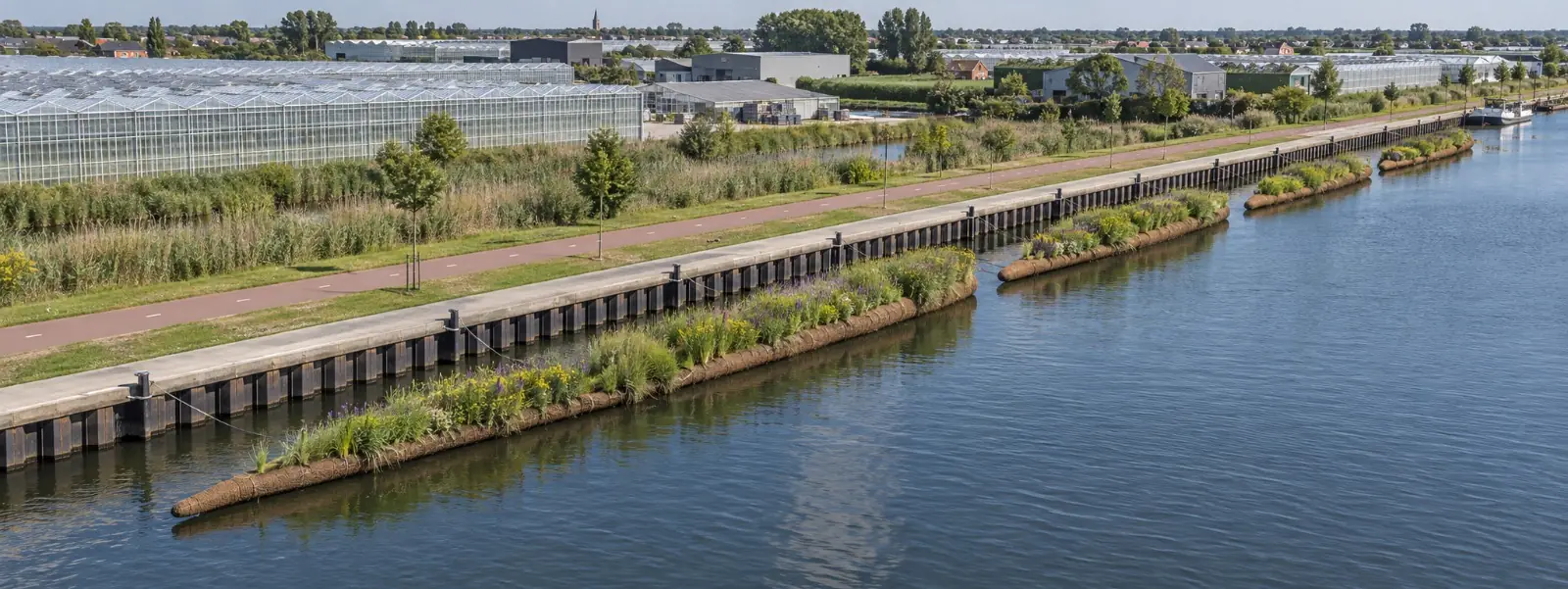
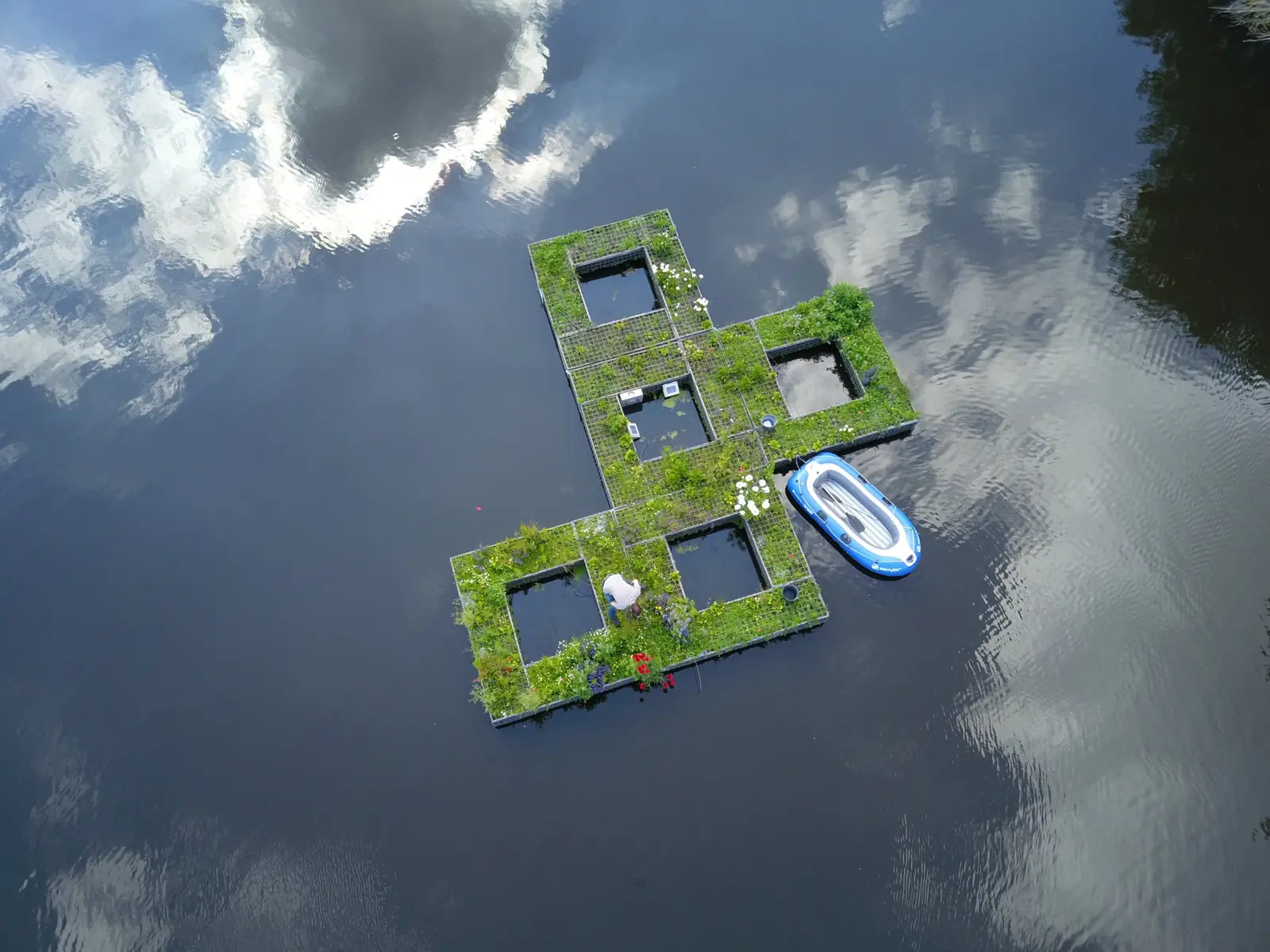
Aerial view of the Aqua Blocks island in Eindhoven, with monitoring equipment and a maintenance worker
Built and monitored

Proven in Eindhoven and Naaldwijk.

In 2020, commissioned by the Dutch water authority Waterschap De Dommel, we installed a 10 × 10 m Aqua Blocks island in Eindhoven as a monitored ecological test. Above the water, vegetation grew to around eight metres in three years. Below the water, catfish returned after a long absence.

In 2023 the island moved to Naaldwijk, where it took root again and keeps growing. That is the promise in a nutshell: value above and below the waterline, and relocatable when the site changes.

All projects
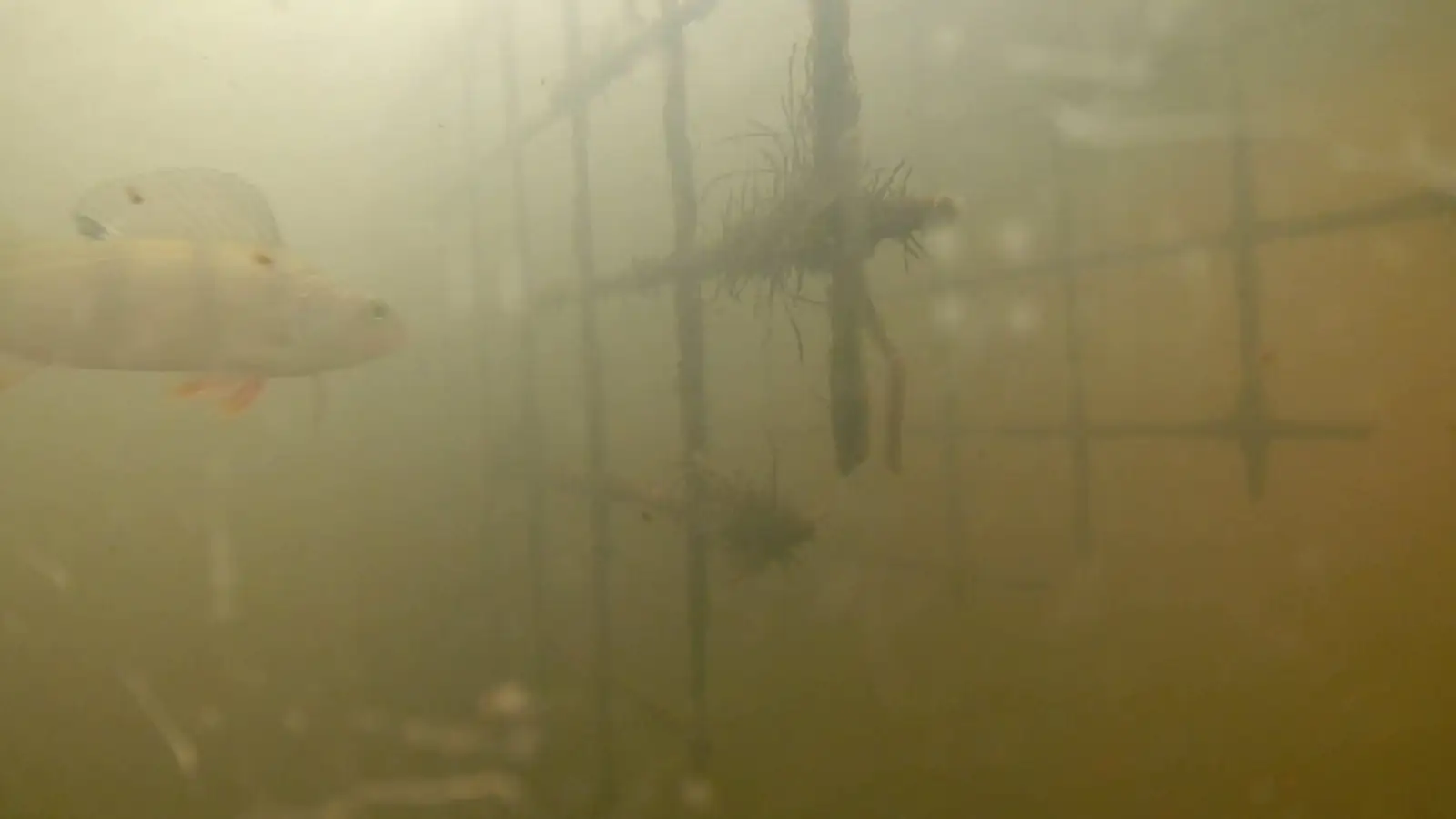
Above water: space for peopleBelow water: space for nature
Underwater view beneath a floating habitat
2020
Installed in Eindhoven
± 8 m
Vegetation within three years
Catfish
Observed again during monitoring
2023
Relocated to Naaldwijk

Solutions

Four ways to put water to work.

From a single facility to a complete floating park. Each solution states plainly what has been built and what is still in development.

Tiny Floats by Blue Habitats Built seven times

Functions on water.

Tiny Floats are compact floating units that add one function to the water. Prefabricated, quickly installed and relocatable. For a season, for the duration of a development, or for good.

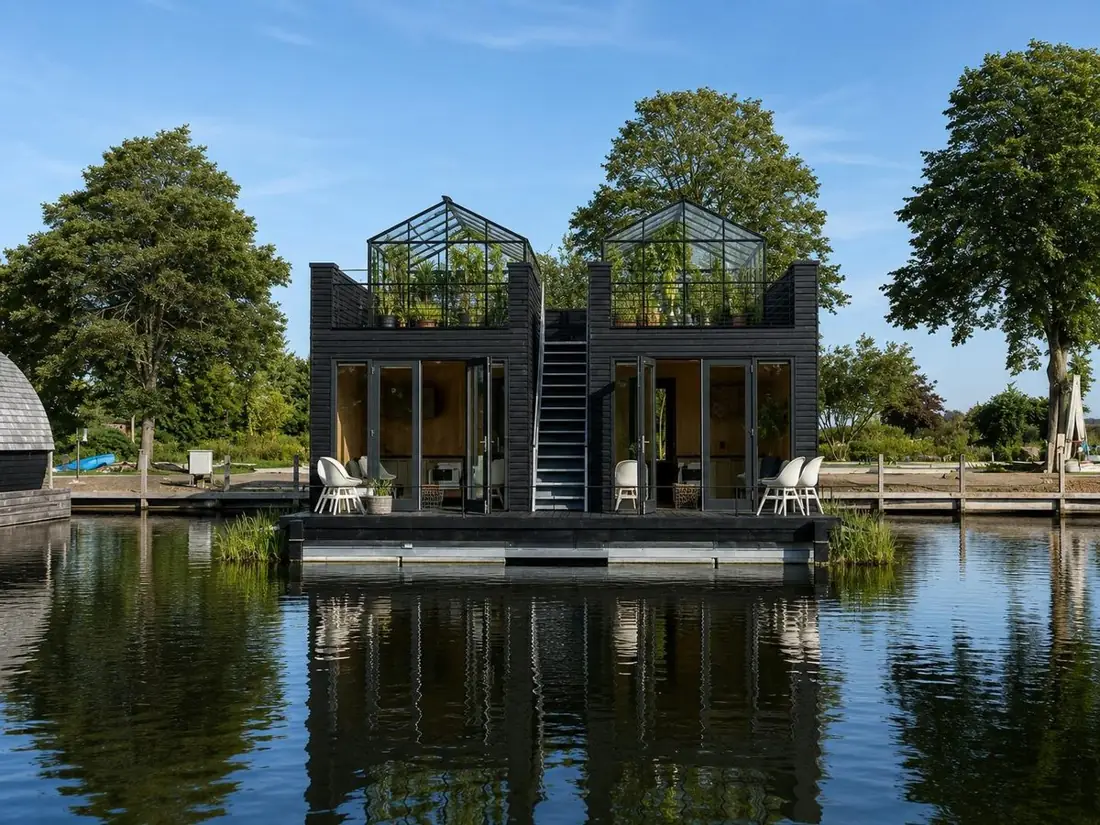
Living is one of those functions. In the Maldives a Tiny One serves as a water taxi terminal; in Kerkdriel a Tiny Five sails the river Maas as a hotel room. A Tiny Float can just as well be a coffee kiosk on the quay, a bird hide in a nature reserve or the clubhouse next to a floating sports court.

Tiny Two with roof terrace and greenhouse in Boskoop

Stay

Resort villas, hotel rooms on the water, short-stay accommodation or temporary housing.

Food and drink

A kiosk or small café that brings a quay or park to life.

Visitor centre

An information point or outdoor classroom at a nature reserve or water project.

Bird hide

A quiet observation point out on the water, without disturbing the bank.

Clubhouse and changing rooms

Support space next to a sports platform or water sports venue.

Office and workspace

A quiet workspace or meeting room on the water, like the office version of the Tiny One.

Five base models

Each model is adapted to its location and function. Select a model for more images.

Building on water does not have to cost public space.

With Floating Pocket Parks, a city can plan housing, green space, sport and meeting places together. Instead of locking up scarce land for good, you invest in flexible public space that adapts as demand changes.

Floating Pocket Parks by Blue Habitats Concept in development

Floating Pocket Parks.

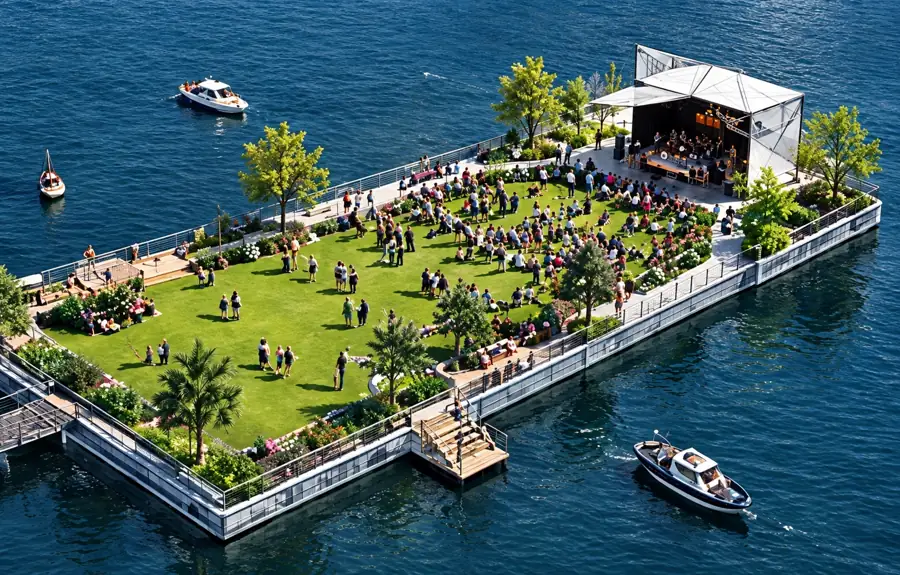
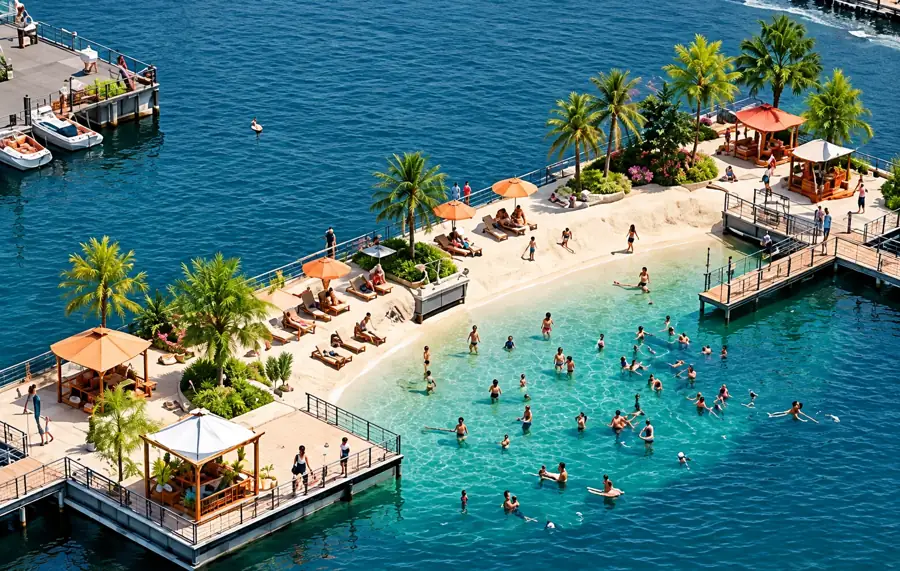
Modular floating parks for greenery, play, sport and culture. Stand-alone, linked to floating homes or the quay, and relocatable as the neighbourhood changes.

Modules of 30 × 30 m and 30 × 60 m. Design, function and mooring are worked out for each location.

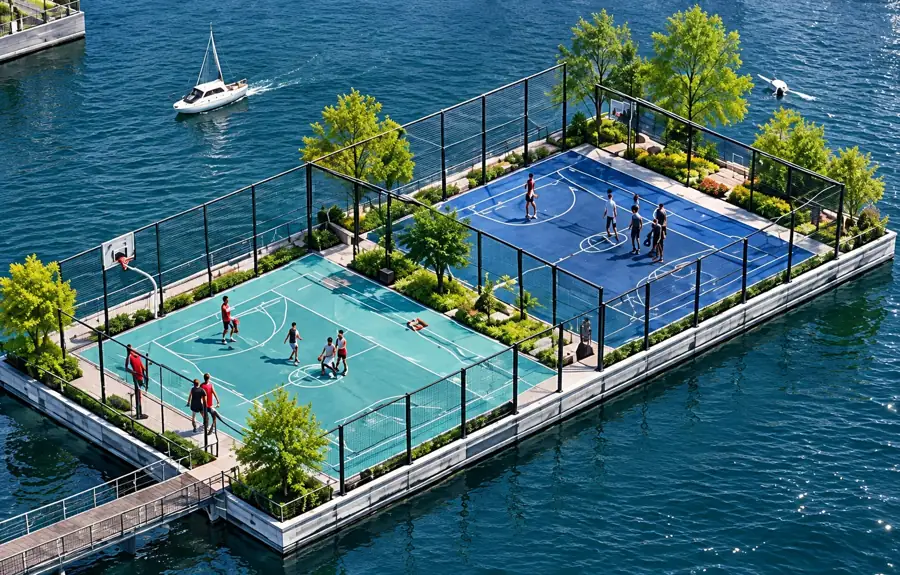
Sports Pocket, floating sports court (concept visualisation)

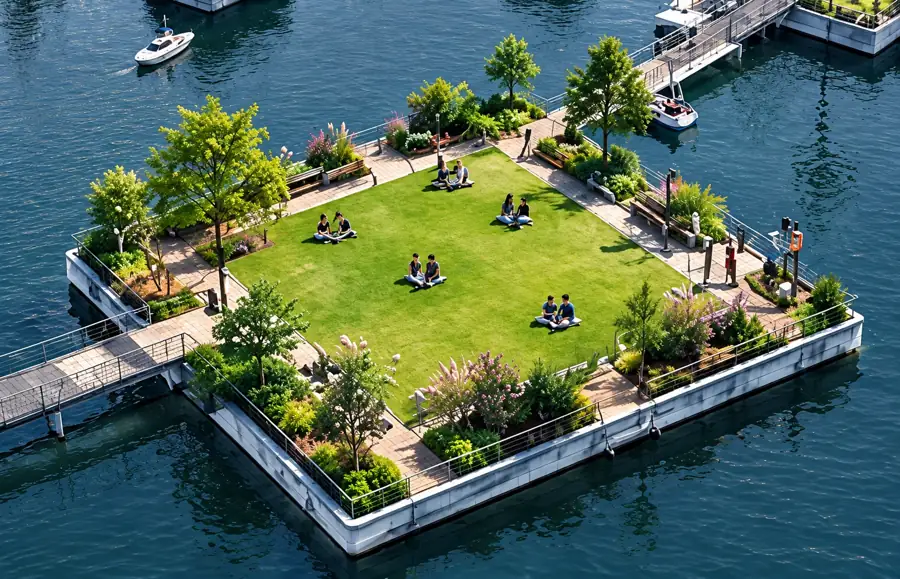
Blue Lawn

Lawn and trees, 30 × 30 m

Urban Forest

Woodland and shaded paths, 30 × 30 m

Blue Habitat

Green above, habitat below, 30 × 30 m

Water Garden

Wetland planting and boardwalks, 30 × 30 m

Play Island

Play island, 30 × 30 m

Sports Pocket

Basketball, tennis, padel, 30 × 60 m

Event Park

Events and performances, 30 × 60 m

Beach Pocket

Urban beach, 30 × 60 m

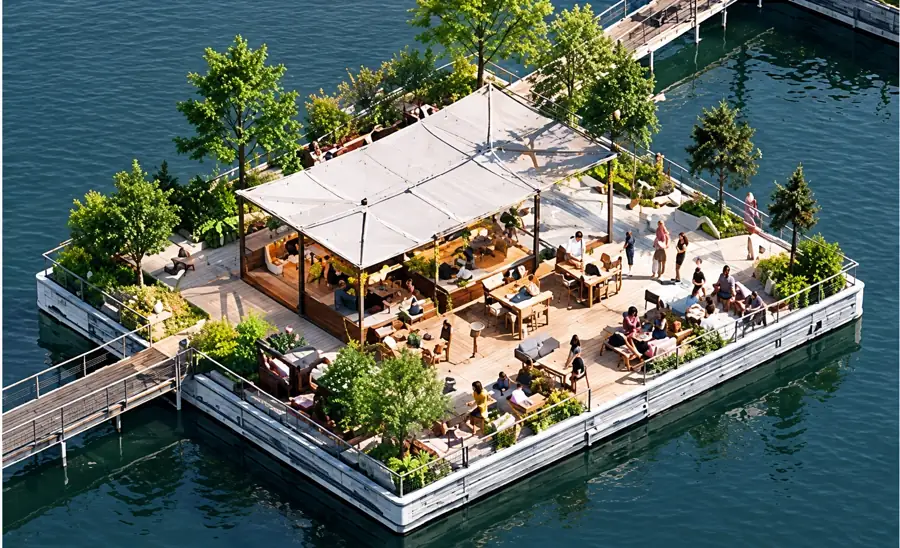
Food Garden

Food and outdoor dining, 30 × 30 m

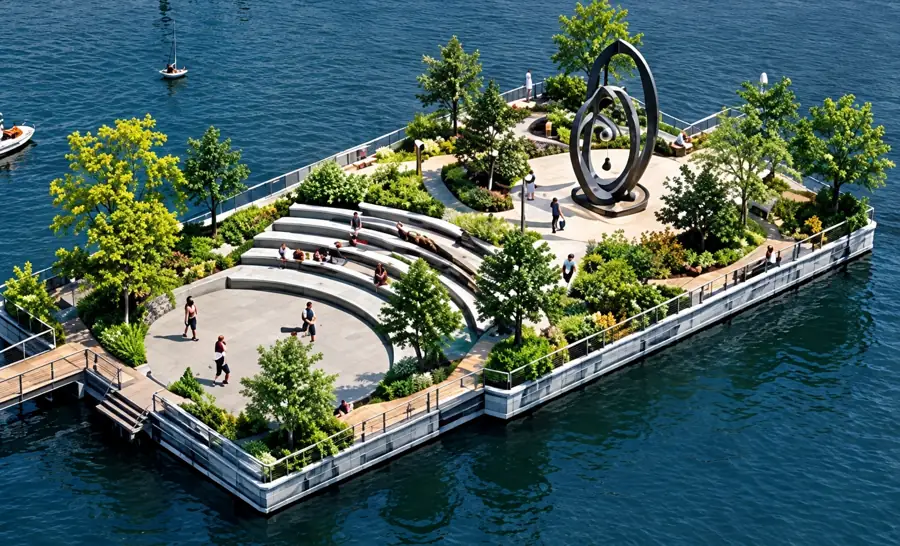
Culture Island

Art and small stages, 30 × 60 m

All images are concept visualisations from the Floating Pocket Parks collection. No park has been built yet.

Add and connect

Start with one module and grow into a network of outdoor spaces.

Change the function

A play island can later become a sports court or event space.

Relocate and re-use

Detach a module and moor it at the next development.

Blue Habitats Nature Aqua Blocks built, others in development

Nature on water.

Floating habitats that add planting, shelter and living space for wildlife, above and below the water, in fresh and salt water. Aqua Blocks are the smallest and simplest building block: deployable on their own, or the base for a larger system.

Planted Aqua Blocks island in Naaldwijk

Aqua Blocks Float

A floating base with visible, modular planted islands. Used in Eindhoven, Naaldwijk and Boskoop. In Boskoop the gardens also add buoyancy to the floating homes next to them.

Aqua Blocks Waterline

Planting directly at the water surface, for a lower and softer ecological edge along quays and banks.

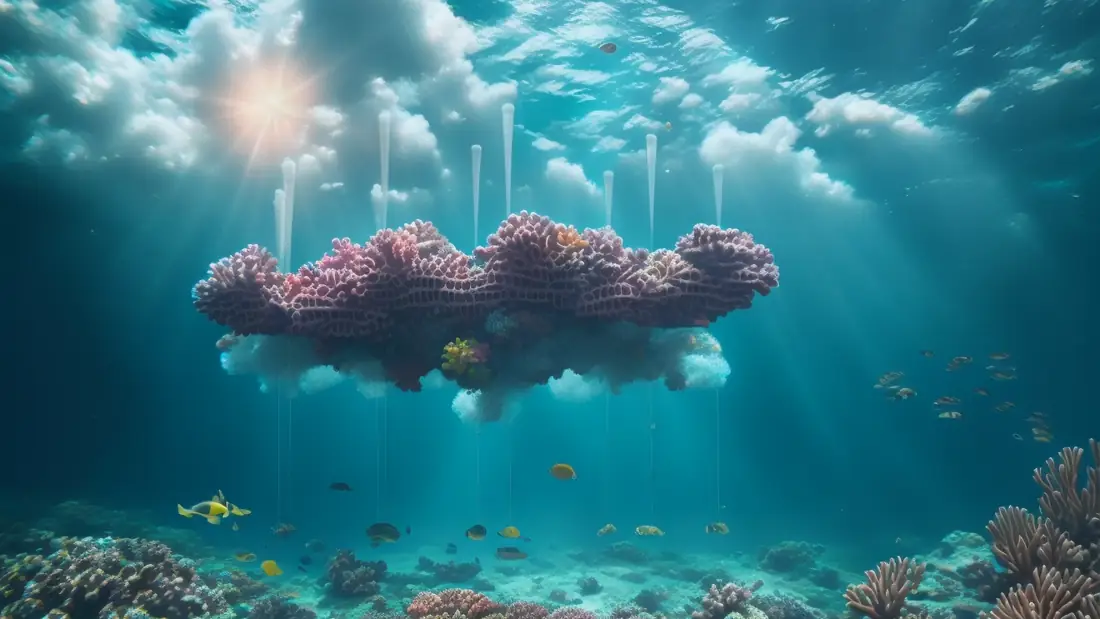
Sea Clouds

Sea Clouds

Floating artificial reefs at 15 to 30 metres depth, aimed at resilient corals in warming seas.

Concept
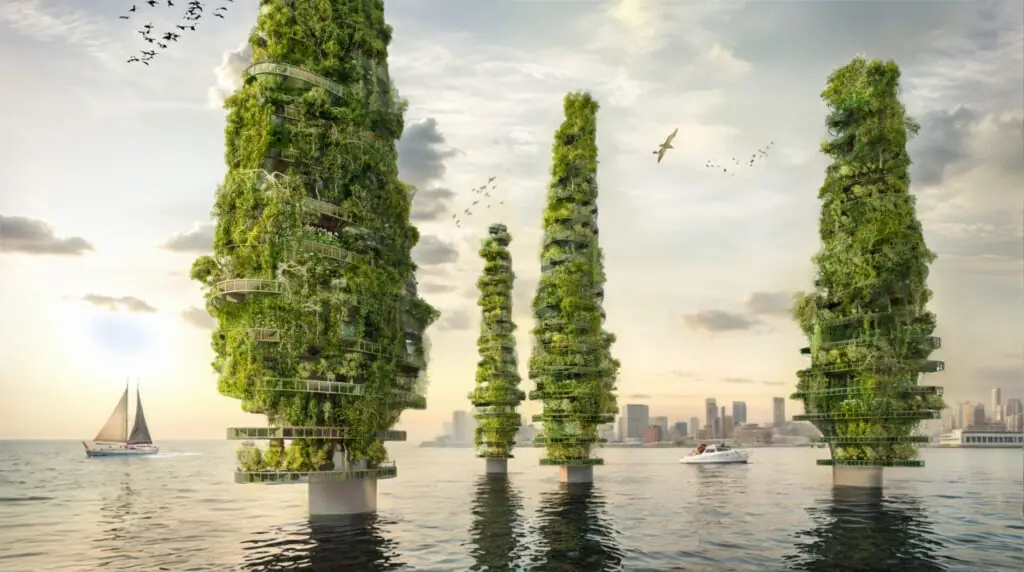
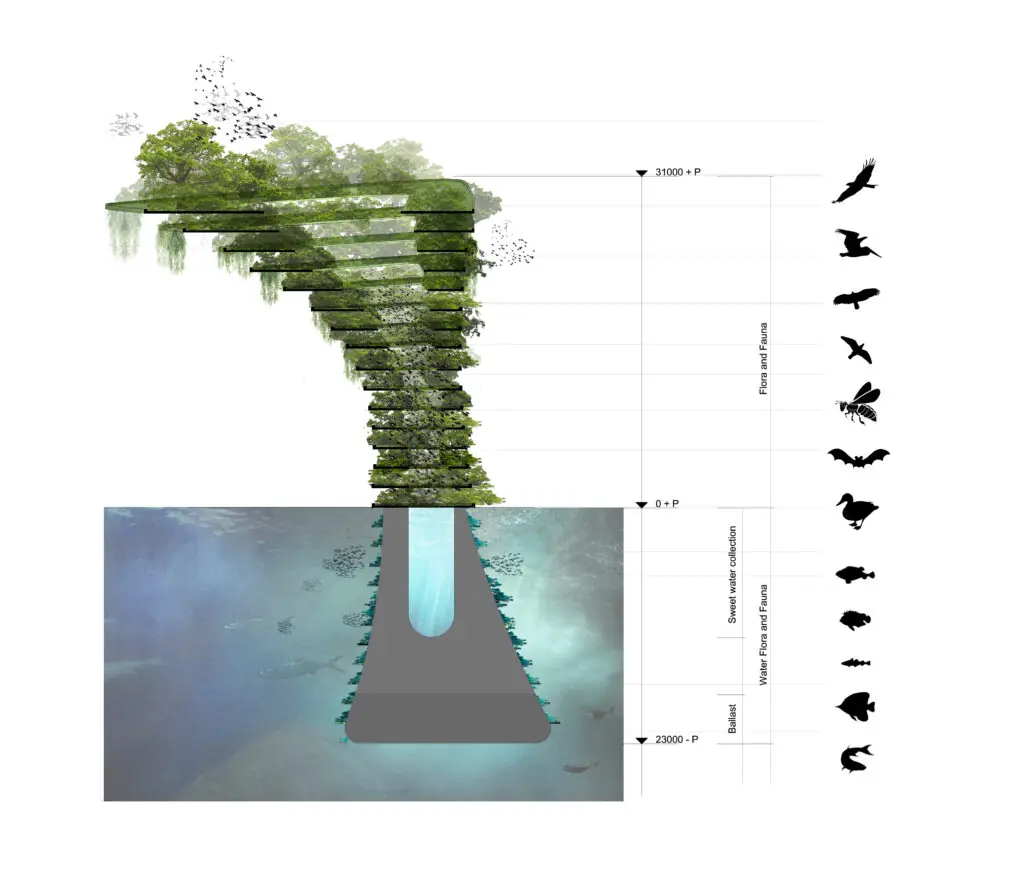
Sea Tree

Sea Tree

A floating structure with layers of greenery meant for wildlife only. High biodiversity on a small footprint, in the middle of the city.

Concept
Blue Habitats Re-use First pilot under way

A second life for wind turbine blades.

Rotor blades are made of composite: glass fibre and resin. Strong, light and designed to last decades outdoors, but hard to recycle. Those same properties make them suitable as a floating building material.

Capped wind turbine blade with geotextile along a shoreline
31
wind turbine blades recovered from the waste stream
800+ m
linear metres of blade, ready for a second life

The problem

The first generation of wind farms is being decommissioned. The blades often end up in storage, shredded or in landfill.

The properties

Hollow, light shapes with plenty of buoyancy, built to withstand wind, water and UV. Ideal as a float or shoreline element.

The opportunity

A circular material for parks, routes and shorelines, with a story residents and decision-makers understand.

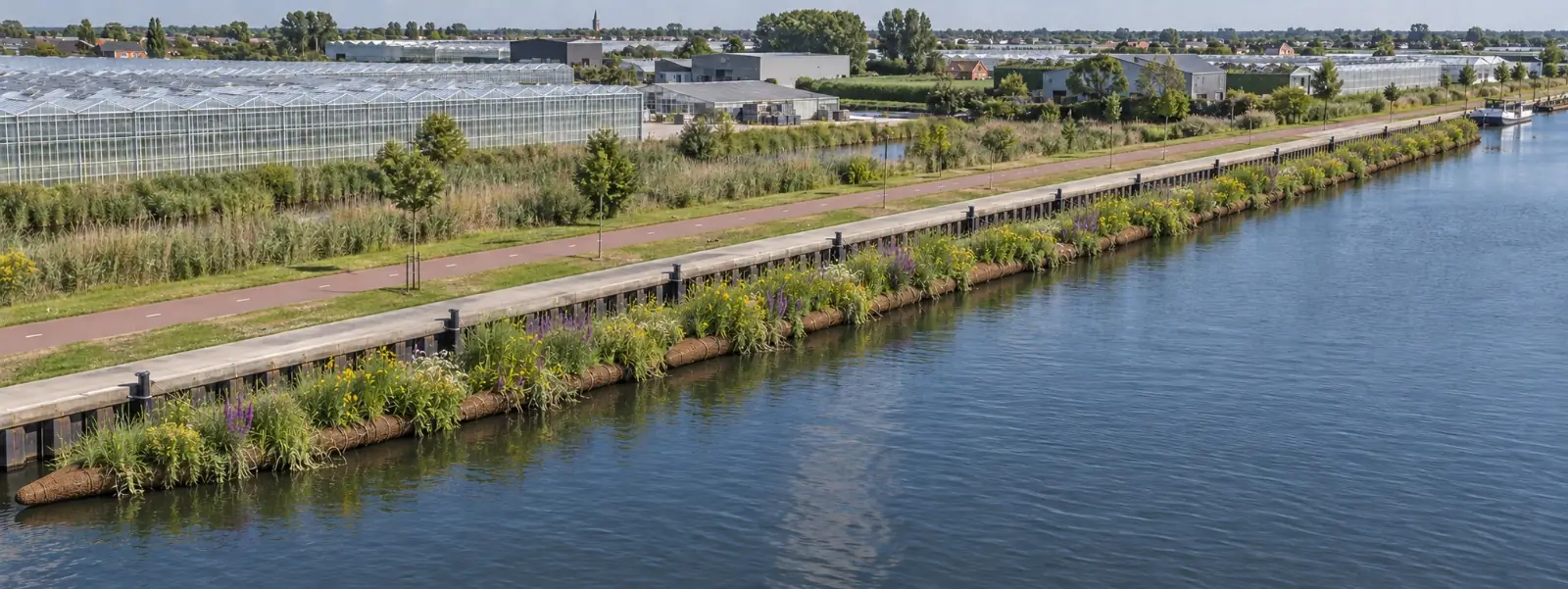
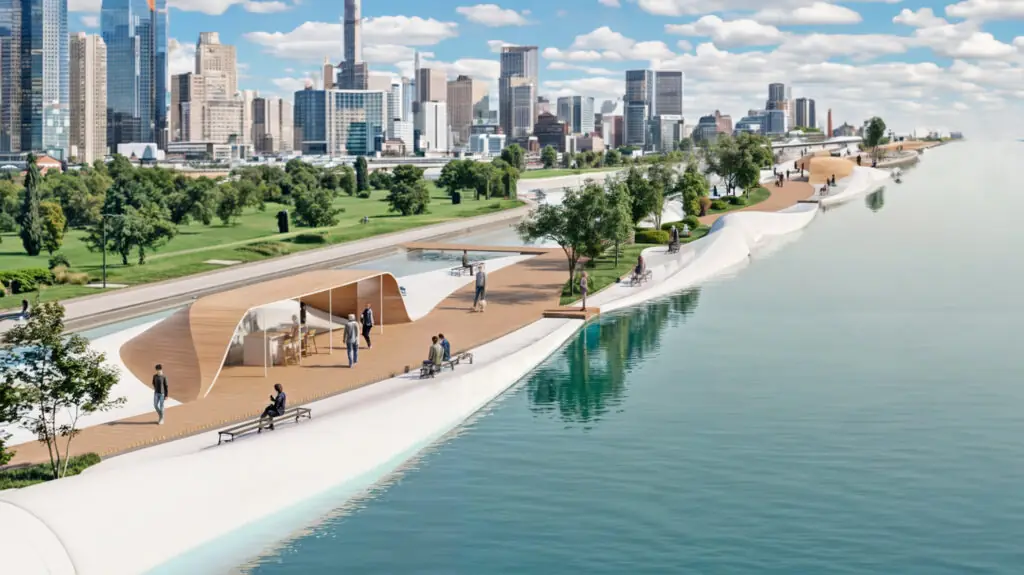
Separate Soft Shorelines elements along a quay (visualisation)
Start. A few separate elements along the quay.
Continuous Soft Shorelines edge along the same quay (visualisation)
Grow. Extended into a continuous green shoreline. Visualisations.
Soft Shorelines

Soft Shorelines

Capped blades, wrapped in geotextile and planted. They turn a hard quay into a gradual, green transition between land and water. In Bakel we are now measuring how fast the mats grow and how much buoyancy the blades provide. First results expected early 2027.

Pilot under way
Winglands

Winglands

Floating landscapes made of blades, built up from modules for a park, promenade or retail.

Concept
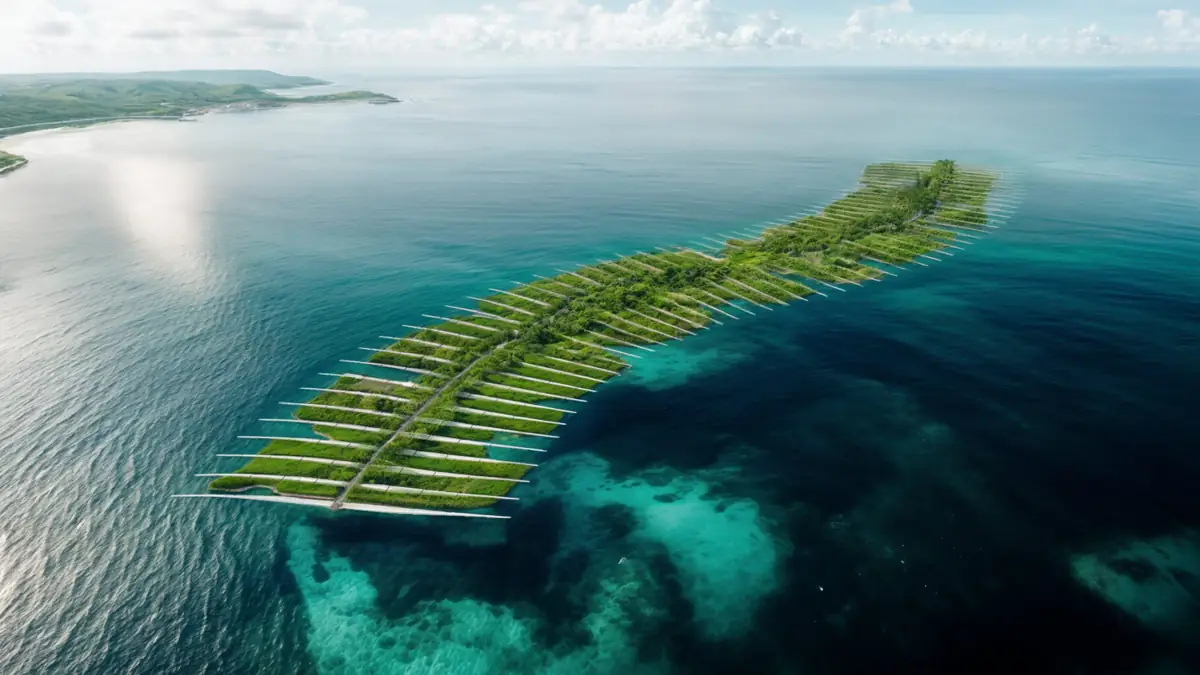
Centipede

Centipede

A large platform of up to one hundred blades, for a park, nature area or kelp farm.

Pilot in preparation
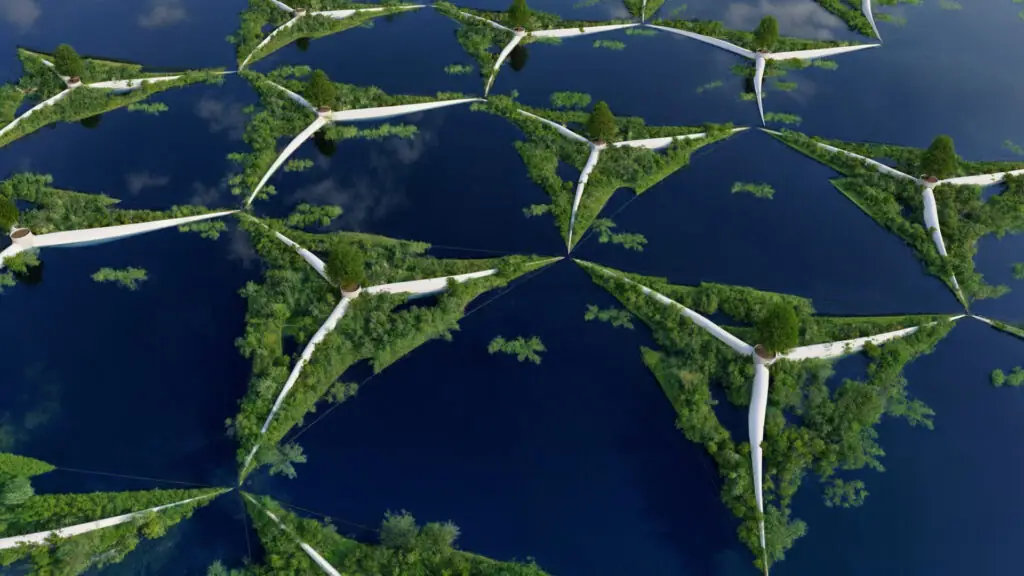
Blue Web

Blue Web

Blades linked by cables into a web of floating mats and greenery around a central tower.

Concept

Combine

Nature that pays for itself.

Combine functions that generate income, such as stays, food and drink or an office, with floating nature. The revenue from those functions helps fund the installation, care and monitoring of the nature. In Boskoop, holiday homes and Aqua Blocks already sit side by side.

Grow

Start with one module. If it works, expand with more nature or an extra function.

Shrink

Need less? Modules return to us or move to another site. Nothing is demolished, nothing is lost.

Rent and swap

Components can also be rented. Add something for a season or change a function, without being tied to a fixed investment.

Spring

Nature grows in, one function is open.

Summer

Rented terraces or a kiosk added for the busy season.

Autumn

Seasonal components go back, nature gets more room.

Winter

Mostly nature, with one function open all year.

Nature (Aqua Blocks)Permanent function (Tiny Float)Rented seasonal componentExample layout

Built

Projects on the water.

Process

From first exploration to long-term care.

  1. Exploration

    Together we look at the site, the brief and what the water allows.

  2. Feasibility

    Water depth, currents, shipping, access and the permit route.

  3. Design

    Tailored design and engineering.

  4. Production

    Prefabricated, so disruption on site stays minimal.

  5. Installation

    Transport by water or road, mooring and connection to utilities.

  6. Care and monitoring

    Maintenance, ecological monitoring by our own team and relocation when needed.

From design to installation, a pilot takes about 8 months. A permanent project takes 18 months on average, permits included (based on our Dutch projects).

Built, never launched

Built in the workshop: a floating office for Kyiv

In 2019 we built a version of the Tiny One as an office with four workstations. The unit was completed in the workshop and transported in one piece. Shortly before the war in Ukraine broke out, it was delivered to Kyiv. It has never been launched.

The project shows how we build: as much as possible in the workshop, so that on site the unit only needs to be placed and connected.

Buy

Permanent ownership, for example as part of an area development.

Rent

For a season or a number of years, and component by component to expand or scale back.

Pilot

Start small with one module and measure the results.

Frequently asked questions

What cities often ask us.

Is your question not listed? Get in touch and we will discuss it in a short exploration.

Suitability

Could this work on our water?

In most harbours, canals, lakes and rivers, yes. Water depth, currents, waves and shipping are the deciding factors. In a short exploration we look together at what your water allows.

How deep does the water need to be?

Applications are possible from about 30 cm of water depth. What exactly is possible depends on the solution.

Does anything need to change to the quay or flood defence?

That depends on the site. There are several ways to moor: to the quay, to piles or to the bottom. Together we choose the solution that suits the quay and the requirements of the water authority.

Do you work outside the Netherlands?

Yes. We have completed projects in the United States and the Maldives, in fresh and salt water.

Costs and funding

What do the costs depend on?

On the size, function, location, mooring and utility connections, and on whether you buy or rent. After an exploration you receive a tailored indication.

How can a project be funded?

Often from a combination of sources: budgets for green space, climate adaptation or recreation, an area development, grants, contributions from companies with biodiversity goals, and income from functions on the water.

Can we rent instead of buy?

Yes. Components can also be rented, for a season or a number of years. That way you can expand, scale back or swap a function without being tied to an investment.

Can a project pay for itself?

Partly, yes. By combining income-generating functions, such as stays or food and drink, with floating nature, the revenue helps fund installation, care and monitoring.

Permits and planning

Which permits are needed?

In the Netherlands usually an environmental permit, temporary or permanent, and consent from the water authority. Self-propelled units are sometimes exempt under Dutch rules. Elsewhere, local regulations apply. We can guide the application if you wish.

How long does a project take?

That mainly depends on the permit. A pilot is typically in place within about 8 months; a permanent project takes 18 months on average, based on our Dutch projects.

How does a project start?

With a short exploration, online or on site. We look at the site, the brief and what the water allows.

Engineering and care

Who takes care of maintenance?

There are several options. We can carry out the maintenance ourselves, or find a local partner to do it for you.

How long does it last?

Depending on the solution, 30 to 50 years.

What happens in storms, high water or ice?

The elements are flexible and move with the water level and the waves.

Can it be relocated later?

Yes. Everything is modular and floating. The Aqua Blocks island from Eindhoven was moved to Naaldwijk in 2023 and took root again there.

Does it obstruct shipping or water storage?

No. For each site we design an application that fits local wishes and regulations.

Safety and use

Is it safe for visitors and children?

Walkable applications comply with local regulations on fall protection.

Is it accessible for people with disabilities?

Yes. Accessibility is part of the design.

Can residents and schools get involved?

Yes. Floating nature lends itself well to education and participation, for example in planting or monitoring.

Nature and monitoring

What does it do for nature?

More habitat above and below the water. In Eindhoven the vegetation grew to around eight metres in three years, and catfish returned after a long absence.

Who monitors the project, and what is measured?

Blue Habitats carries out the monitoring itself. Depending on the project, we measure for example vegetation growth, the presence of fish and insects, or buoyancy.

Which plants do you use?

Native species suited to the site and the type of water.

Collaboration

Who builds and supplies the elements?

We work with our own production and with regular partners. As much as possible is prefabricated in the workshop, so that on site the elements only need to be placed and connected.

Partnership

Built on the expertise of Waterstudio.NL.

Blue Habitats works closely with Waterstudio.NL, the Dutch architecture firm of Dr. Koen Olthuis that has specialised in building on water for more than twenty years. The Tiny Floats were designed in collaboration with Waterstudio.NL.

That experience with floating design, engineering and permit processes is part of every Blue Habitats project. It combines the speed of a product range with the depth of a specialist practice.

[Quote by Dr. Koen Olthuis about Blue Habitats, to be confirmed]

Dr. Koen Olthuis, founder of Waterstudio.NL
Visit waterstudio.nl
Section of a floating habitat with layers above and below the water

Contact

Have water that could do more?

Tell us what you have in mind. We will set up a short exploration, online or on site.

Your contact
Dieuwe Wierema
Owner, Blue Habitats
info@bluehabitats.nl
Blue Habitats
Generaal Berenschotlaan 211
2283 JM Rijswijk, the Netherlands
+31 70 394 4234
info@bluehabitats.nl

We only use your details to respond to your request. Read our privacy statement.

Thank you. We will be in touch within a few working days.